Kozmik İfşaat 2. Sezon - 8. Bölüm:
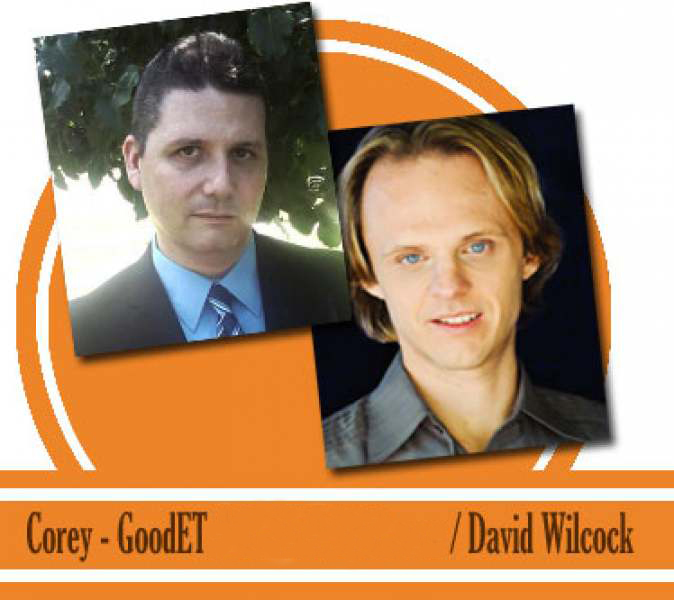
Mars'ta Hayat Bulma| Corey Goode ve David Wilcock

Bu makale http://spherebeingalliance.com/blog/transcript-cosmic-disclosure-finding-life-on-mars.html
sayfasından alınarak çevirilmiştir.
DW: Pekala. Kozmik İfşaate hoşgeldiniz. Ben sunucunuz David Wilcock. Ve biz
bilmek istediğimiz için buradayız. Corey Goode burada. Soruları sordukça,
ben de pekçok yeni şey öğreniyorum. Mars’a önce Almanların yerleştiğini
söylemiştik. Fakat oraya giden ilk varlıklar Almanlar değildi. Orada pekçok,
çok fazla grup vardı. Bu konularda daha fazla konuşmadan önce , Mars’taki
farklı yaşam tiplerinden bahsedeceğiz, çünkü bu çok büyük bir konu. Corey,
tekrar şovumuza geldiğin için teşekkürler.
CG: Bir şey değil.
DW: Öncelikle, önceki bölümlerde Marstaki bitki örtüsünden bahsetmiştin. Ne
gördüğün konusunda kısa bir özet verir misin. Yüzeyde yürüdün mü? Hiç bitki
tipi yaşam gördün mü?
CG: Benim kendimin gördüğü, ileri bir bölgede karakol inşa ederken gördüğüm,
bir çeşit çalı kolonisi. Bunlar mor ve kırmızı, kalın sapları toprak altına
giden; dayanıklı, kısa, ve kaktüse benzeyen çalılıklardı. Bunların keskin,
sivri yaprakları vardı ve çok keskindiler.
DW: Hangi tarafı mor, hangi tarafı kırmızı idi?
CG: Gövdesi mor ve kırmızı idi. Ve yapraklar da mor ve kırmızıydı. Ve
gövdede ve dallarda dikenler vardı. Bunlar elini yaklaştırabileceğin gibi
değildi. Çok dikenliydi yani.
DW: Geçen bölümde muhtemel yerli Mars ırkı hakkında konuşmuştuk. Bize
benzediklerini söylemiştin. Dünyada hangi insan ırkına benziyorlar? Ne çeşit
insan?
CG: Tanım kırmızımsı bir tonları olduğuydu. Cüppe giyiyorlardı. Çok
ürkeklerdi ve kimseye yanaşmazlardı.Ve yakalanıp sorgulananlar yerli ve
Marslı olduklarını söylüyordu. Kökenlerinin Mars olduğunu söylüyorlardı.
Fakat onları sorgulayanlar bunun doğru olduğundan emin değildi. Çünkü
geçmişte Dünyalı olup Dünya dışından olduğunu söyleyen fakat aslında
Dünya’da Antik Ayrılmış Medeniyet gruplarından olan bazı varlıklar
tarafından kandırılmışlardı. Ve bu grupların bazıları uzaya seyahat edebilen
gruplardan olduğundan, Mars’a gidip orada koloni kurmuş olabilirlerdi. Bu
varlıklar da o gruplardan kalanlar olabilirdi.
DW: Mars’a giden Almanlar konusuna dönecek olursak, ve sen de Mars’ta antik
piramitler üzerinde uçtuğunu söylemiştin.
CG: Kısmen görünen piramitler.
DW: Almanlar oraya vardıklarında bu piramitlere ilgi gösterdi mi? Bunlara
inip kontrol etmek istedi mi? Bana öyle geliyor ki doyumsuzca onları kazıp
ne olduklarını falan bulmak istemişlerdir.
CG: En çok ilgi gösterilen teknoloji bulunması idi, antic teknoloji. Ama
hatırlamak gerekir ki bazı bölgeler insanlara yasaktı, özellikle o zaman.
Oradaki ırklar bölgelerini çok sahip çıkardı. O yüzden, birşey
istediklerinde durup resim çeker, örnek alır ve ayrılırlardı. Bu onların
araştırma şekliydi. Çünkü bu bölge başka bir gruba ait kabul edilmekteydi.
DW: Oradayken Mars üzerindeki yüz ile ilgili hiçbir bilgiye rastladın mı,
varlıklarca mı yapılmış, kim yapmış biliyor musun?
CG: Hayır. Ben oradayken Mars’ta yüz olduğunu bilmiyordum. Yani yüz yoktur
demiyorum. Sadece görmedim. Bu konuda konuşulduğunu duymadım.
DW: Geçen konuşmamızda Almanların kutuplar yakınına yerleşmesi konusuna
giriyorduk. Burası tundra tipi bir yerden çok tayga tipi bir yerdi. Arktik
bölgede değillerdi. Fakat bizim kutuplardaki donmuş bölge gibi donan bir
yerdi.
CG: Daha çok Goldilocks bölgesi gibi; çok soğuk ekvator bölgesi ile çok sert
polar bölgesi arasında.
DW: Bu bölgelerdeki en düşük ve en yüksek dereceler neydi?
CG: Atmosfer basıncı nedeniyle---ve bu içinde bulunduğun sezona da bağlıydı.
Fakat sıcaklıklar saatler içinde 40, 50 F derece değişebilirdi.
DW: Oh, wow.
CG: Mars yüzeyindeki sıcaklıkları tam olarak hatırlayamıyorum. Fakat
internette verilen istatistiklerden daha sıcak olduğuna eminim. Burada şimdi
bahsetmek istediğim bir şey ise, benim orada olduğum yıllarda, uzay
programları mikrop, bakteri gibi şeylerin bir gezegen küresinden diğerine
karşılıklı bulaşması konusunda çok dikkatli idi.30'lu, 40'li ve 50'li
yılların başlarında o kadar dikkatli değildi. Özellikle Almanlar Mars'a,
kasalar ve kasalar dolusu malzeme ve araçlar ve ihtiyaçları olan şeyleri
getiriyordu.Ve çok rahatsız edici bazı haşereleri de getirdiler. Hamam
böceği, fare, örümcek, ve başka Dünya haşeresi getirdiler ve bu Mars'ta bir
problem haline geldi ve onlar da kirlendi. Fareler normalden daha büyük oldu
ve yüzeyde rahat bir şekilde yaşadı. Ama hamam böcekleri çok büyüdüler,
elinizden daha büyük boyutlara ulaştılar.
DW: Aman Tanrım.
CG: İnsanlar hamam böceklerinin nükleer bir savaştan bile sağ sağlım
çıkabileceğini, Mars yüzeyinin onlar için problem olmayacağını söyleyerek
eğleniyordu.
DW: Farelerin yiyebildiği yerli böcek var mıydı? Onların yiyecek kaynağı
neydi yani?
CG: Bilmiyorum. Eminim büyük ihtimalle böceklerdi çünkü çok büyük örümcekler
olduğunu biliyorum.Sadece bu konuda okumadım ve kendim tecrübe etmedim.
Böcek benzeri varlıklar, biyolojik bir teknoloji kullanarak belirli işler
için küçük böcek ve haşeratlar yaratıyorlardı.
DW: Klon gibi mi?
CG: Evet, ama daha küçük böcek tipi “drone”lar yaratıyordu. Çatışmaya
gireceklerse ya da savaş tipi bir durumda olduklarında yaratıyorlardı. Bu
onların teknolojilerinin bir parçasıydı.Bir çeşit
biyolojik teknoloji.
DW: Evet. Sonra uzaktan kumandalı gibi bu “drone”ları kullanıyorlar mıydı?
CG: Evet. Ve bunların kovan zihni, gerçek kollektif zihni vardı. Birçok
insan kollektif zihnin ne olduğunu bilmedikleri halde bildiklerini
sanır.Fakat bunların kovan zihniyeti vardı, bir çeşit koloni tipi yapıları.
DW: Almanlar lastik tekerlekleri ve direksiyonları olan araçlar getirdi mi?
CG: Kesinlikle. Mm-hmm.
DW: Gerçekten? Jip ya da tank, ya da ne kullanıyorlardı?
CG: Tank gövdesi üzerine inşa edilen, basınçlı ve tabi ki zırhlı özel
araçlar geliştirdiler. Gezintiler için kullanılan Almanlarınkiler her zaman
zırhlıydı.
DW: Mağaralara girip teknolojik kalıntılar ararlar mıydı?
CG: Her zaman seferler yaptıklarını biliyorum, teknoloji aradıklarını,
gezegende değişik kaynaklar aradıklarını, sürekli keşfettiklerini, özellikle
değişik kaynaklar. Mağaraların gündeme geldiği tek zaman, lava tüplerine
giden yolları keşfetmeye çalışırken, bir gün bu lava tüplerini ellerine
geçirmek için yaptıkları keşif misyonlarıydı.
DW: Biyolojik hayat için çok tehlikeli primitif bir
portal teknolojisi kullanarak işlenmemiş materyalleri Mars'a transfer
ettiklerini söylemiştin. Bu portal ne kadar büyüktü? Tank gibi araçları
buradan geçirebiliyormuydular? Onları Mars'ta mı yapıyorlardı yoksa portal
ile mi getiriyorlardı?
CG: Evet. Bu başlarda Güneş sistemindeki doğal portal
sisteminden yararlandıkları zamandı. Burada gerekli hesaplamaları ve
belli gezegenlerin pozisyonlarını (ya da başka cisimlerin) anlamıyorlardı.
Burada pek çok hesaplama var. Aslında onlara yüksek-boyutsal matematik,
hesaplamalarda onlara yardım eden başka bir ırk tarafından verilmişti. Ve
ben bu matematiğin sıkça kullanıldığını görmüştüm, ve bunlarda çok az numara
vardı. Garip bir sürü sembol vardı. Ama bunlar matematik eşitliklerinin
yazıldığı gibi tahtalara yazılıyordu.
DW:Ama sorunun cevabı nedir? Tank geçirebilecek portal
olanakları var mıydı?
CG: Kesinlikle evet.
DW: Gerçekten?
CG: Birden fazla tank geçirebilecek.
DW: Gerçekten? Bir kerede birden çok tankı geçirebilecek kadar geniş mi?
CG: Evet, isteseydiler oraya savaş gemisi geçirebilirlerdi.
DW: Bu portal neye benziyor? Dünya'da başladığı yeri görecek olsak, Yıldız
Kapısı programında olduğu gibi halka şeklinde mi? Neye bakıyoruz?
CG: Bu portallar baloncuktur.
DW: Enerji baloncuğu gibi mi?
CG: Enerji balonu gibi görünürler. Dışından,
eğer sıcak bir otobana bakarsanız, görürsünüz.
DW: Serap
CG:Serap etkisi otobanda sıcaktan kendini gösterir. Bu her tarafında olur.
Ve bu duvar gibi değildir, içine yürüdüğün düz bir şeydir.Bunun içine iki
farklı
yönden yürüyebilirsiniz, ya da 360 derecelik yönlerden.
İnsanlar bunun içine her yönden girebilir, ve öbür tarafta, herhangi bir
yönden çıkarlar.
DW: Wow. Karşı tarafa mı geçmen gerekir? Balonun içine girip, içinde
yürüyüp, mesela saat 6 istikametinde girip,12 istikametinde mi çıkarsın?
Yani balonun içinden yürüyüp öbür tarafından mı çıkarsın? ya da...
CG: Yön duygun bir kere içine girince tamamen gider. İçine girdin mi,
girdiğin yeri referans aldığında nerden çıkacağın hiç belli değildir. Sadece
bu balonun içine yürürsün, bir kere yürüdün mü, yürüdükçe, ilginç bir
duygu-nasıl tarif edeceğimi bilemiyorum. Çok garip bir duygu. İçine
girdikçe, aynı zamanda içine de çekilirsin. İçine düşersin, ve dışına
fırlarsın.
DW: Bu olurken zaman kavramını hisseder misin?
CG: Hayır. Yıldız Kapısındaki gibi değil-vizzz- tüpten, bu halkadan
geçiyorsun. Bu duygu hiç yoktur.
DW: Bu çok hızlı bir sıkışma ve genleşme mi?
CG:Doğru. Ve seni etkiler. Bu etkiler konusunda yardımcı olmak için
insanlara iğne falan yaparlar. Beyninin yakınına çok büyük bir mıknatıs
konmuş gibi, sana verdiği gerçek bir mide bulantısı, aklı karışmışlık
duygusu. Bu olur.
DW: Evet, Henry Deacon ona boyutötesi bozukluğun etkilerini azaltmak için
lorentzil gibi birşey verdiklerini söyledi. Sen buna geçeci bunaklık
demiştin.
CG: Birçok parçayı gönderecekleri zaman, bu parçaları
balonun oluşacağı yere koyarlar. Sonra balon oluşur. Ve balon tek büyüklükte
olur. Ve sen daha sonra malzemenin nerdeyse erir gibi portaldan geçtiğini
görürsün.
DW: Gerçekten?
CG: Evet. Ve sonra bunlar öbür tarafta belirir.
DW: Bu hareket ne kadar hızlı görünür?
CG: Çok çabuk, yoğunluğa ve orada bulunanın boyutuna göre değişir.
DW: Nerdeyse birşeylerin balonun içine çekilmesi gibi, yani bir kamışın
içinden geçer gibi.
CG: Borunun içinden gitmek gibi.
DW: Wow.
CG: Evet.
DW: Portalın içinde oluştuğu odaya girelim. Bunun içeride olduğunu
varsayıyorum. Bunu açık bir yerde yapmayacaklardır.
CG: Hayır, birçok kez bu açıkta yapılır.
DW: Gerçekten?
CG: Bu doğal portallar bazen üst atmosferde oluşur.
Bazen yüzeyde olur, bazen yeraltında. Bunlar
gezegenin her tarafında, grid sisteminde oluşur. Şimdi, bazı antik- insanlar
Amerikanın Orta Doğuya bu antik teknoloji, bu portallar için gittiğini
söylüyor.
DW: Irak gibi mi?
CG: Evet. Bunlar doğal portalların oluşumu ile ilgili tahmin olaylarını
ortadan kaldıran gerçek araçlardır. Noktadan noktaya insanları ve malzemeyi
güvenli bir şekilde gönderen teknoloji vardı. Şu anda doğal portal sistemi
çevremizde gerçekten olmakta. Ve sezgisel empati kuranları bu portalların ne
kadar sürede, nerede oluşacağını bulmada yardımcı olmaları için
kullanırlardı. Fakat sonra bu konuda kullandıkları yapay zekaları oldu.
DW: Almanlar doğal portalları kullanıyorlardı, ve portalın nerede olacağını
biliyordu ve bu portal Mars'a gidecekti ve sonra tanklarını ya da
malzemelerini o portalın oluşacağı noktada sıraya sokarlardı?
CG: Doğru. Bu her zaman pekçok tank değildi. Fakat tutarlı olduğunu
bildikleri bir alanı kullanırlardı. Ve onlara verilen bu matematik modelini
kullanarak ve Dünya dışı ittifaklarının yardımıyla, bu doğal portal
sistemlerini çok erken ve teknolojik olmayan bir şekilde, biz şu anda
kullandığımızı kullanmaya başlamada önce, kullanmaya başladılar.
DW: Stonehenge gibi birşeylere baktığımızda,bu doğal yıldız kapılarını
kullanma ve kontrol etme miydi? Burası yıldız kapısını çekmek için mi
kullanılıyordu?
CG: Bu gezegenin doğal enerji gridini kullanma ve sömürmeydi ama tam olarak
portallar ile alakalı değil.
DW: Tamam. Almanlar konusunda merak ediyorum ama. Bize şimdi söylediğin
şeyler hakkında biraz gizem var. Onların anten ya da teknik aletleri var
mıydı bu halkanın mesela içine koydukları, bu balonu dengelemek için? Bu
teknolojinin çalışmasından emin olmak için inşa ettikleri bir teknoloji var
mı?
CG: En başta yoktu.
DW: Gerçekten? Başta hiçbirşey yok muydu?
CG: En başta, işlenmemiş doğal portal sistemlerini kullanıyorlardı.Bu en
baştaydı. Sonra elektromanyetik alanları ve iki nokta
arasında noktadan noktaya burulma alanları yaratmak için bükülmeyi kullanma
amacıyla matematik modellerini kullanmaya başladılar. Bükülme dönen bir
alandır. Her yüzde, aynı anda bunu yaratırlardı, her yüzde bunlar
aksi istikamette dönerdi. Ama dengelemek için ve tutmak...
DW: Oh,onu döner vaziyette tutmak için
CG: Noktadan noktaya olan deliği daha uzun tutmak için. Ama bizim oraya
gelişimiz oradaki dengeyi bozdu ve günümüze yakın zamanda bile böcek tipi
varlıkların ve reptilian varlıkların birbirleri ile ve yeni gelen Dünya
insanları ile problemleri olmasına neden oldu.
DW: Süper Federasyon Konferansında Dünyada 22 genetik program yürüten Ayın
arka yüzünde kamp yeri olan 40 ana gruptan bahsetmiştin. Kendi alanlarını
bölgeselleştirmişler.Bu 40 ana grubun hepsinin Mars üzerinde kendi alanları
var mıydı?
CG: Birkaçının Mars'ta varlığı olduğunu duymuştum, fakat birçoğu gaz
devlerinin uydularında ve küçük gezegenlerde ve uydularda varlık
gösteriyorlar. Mars'ta çok fazla bulunmuyorlar.
DW: Yani Mars, içinde kendi çatışmalarının olduğu, sadece üyelerinin
girebildiği, sınırlı bir bölge mi?
CG: Evet. Normal olarak, biz insanlar olarak oraya gidip bayrağımızı dikip
toprak almaya başladık. Bu oradaki güçler arasındaki denkliği ve dengeyi
bozdu.
DW: Ekvator civarında Almanların bir çok başarısız başlangıç denemesi
olduğunu söylemiştin.
CG: Ekvator civarında ve birkaç başka yerde yanlış yere inşa ettiklerinde.
Bu yanlış grupları sinirlendirdi ve istila edilme ve bütün yerleşkenin
kaybedilmesiyle sonuçlandı. Bunlar o zaman küçüktü ve içinde insanlar vardı.
DW: Küçük dediğinde , ne kadar küçük? Kaç kişi orada çalışıyor olabilir?
CG: Düzinelerce.
DW: Tamam. Kaybedilmemiş ve kötü bir bölgede olmayan senin bildiğin ilk
yerleşke neydi?
CG: Bunlar 50'li yılların sonlarında olmaya başladı. ABD gerçekten devreye
girince-- ya da ordu endüstri kompleksi, bu kompleksi oluşturan şirketler
yani, Almanların arkasına geçtiler ve onlarla çalıştılar. Bundan sonra
gerçekten başarılı olmaya başladılar ve alanlarını da koruyacak güce sahip
oldular.
DW: Böylece Mars'ın haritasını çıkarmaya başladık, fakat ilk yerleşkelere
gelmeden daha girebileceğimiz çok konu var. Aynı fikirde misin?
CG: Evet. Şu anda yaptığımız sadece bundan sonra olanları anlatmamız için
gerekli temeli yapmaktı. Almanlar ve ABD ordu endüstri kompleksi
ittifaklarını oluşturduktan sonra ve Gezegenlerarası Kurumsal Şirketler
Grubu (the İnterplanetary Corporate Conglomerate-İCC)'yi oluşturduktan
sonra, Güneş sistemine yayıldılar ve Mars'ta büyük yapılar ve koloniler
kurdular. Biz sadece bu konuşma için bir temel oluşturduk.
DW: Harika. Bir sonraki sefere bunu yapacağız. Mars'ı kolonize eden uzay
programını alacağız ve bu esrarengiz kırmızı gezegenin, bu ayrık medeniyet
için, nasıl büyük bir insan yerleşim yeri olduğu hakkında şu anki zamana
gelişteki detayları konuşacağız. Bu Kozmik İfşaat. Umarım bunlar hoşunuza
gidiyordur. Benim gidiyor. Ve bilmeniz gerektiği için buradayız. Bir sonraki
sefere görüşeceğiz. Ben David Wilcock. Seyrettiğiniz için teşekkürler.
Bu röportaj Summer Sun tarafından Türkçe'ye çevirilmiştir.
Emre Güney :
http://isigacagri2015.blogspot.com.tr/2015/11/kozmik-ifsaat-2-sezon-8-bolum-marsta.html
-----------------------------------------------------------------------------------------
Cosmic Disclosure: Finding Life On
Mars
Season 2, Episode 8
24 Nov 2015
mars, cosmicdisclosure, davidwilcock
Don't forget to subscribe to Gaiam TV so you can watch Corey on this, and
other episodes of "Cosmic Disclosure".
DW: All right. Welcome to "Cosmic Disclosure." I'm your host, David Wilcock.
And we're here because you need to know. We have Corey Goode here. And even
as I'm asking him questions, I'm learning many new things. We've been
describing the settlement of Mars by originally the Germans. But the Germans
were not the first ones to go there. There's been many, many groups there.
As we're going to talk about more in this episode, we're going to get into
all the different types of life on Mars because that is a huge subject. So
Corey, thanks for being back on the show.
CG: Sure.
DW: First of all, you had mentioned before in previous episodes something
about vegetation on Mars. Could you just briefly give us an overview of what
you saw? Did you walk around on the surface? Did you see any plant type of
life?
CG: Personally what I saw were kind of colonies of shrubs that were in an
area where we were building an outpost. And these were very hardy, short,
and almost cactus-y-like shrubs that were purple and red-- the thick, I
guess, stalks that went into the ground. And they had sharp, pointy leaves
that were very sharp.
DW: What part was purple and what part was red?
CG: Well, the stalk was purple and red. And then the leaves were also purple
and red. And there were thorns on the stalk of the plant and on the branches
of the plants. They were not something you could stick your hand in. They
were very prickly, I guess you would say.
DW: So in a previous episode, we are talking about a possibly indigenous
Mars race. You said they look similar to us. What type of race on Earth
would they look similar to? What type of human?
CG: The description was that they had a reddish tone. They wore robes. They
were very skittish and kept to themselves. And the ones that had been
captured or interrogated claimed to be indigenous, that they were always
from Mars. That's where they originated.
But the people that had interrogated them were unclear whether this was true
because they had been deceived in the past by beings on Earth that had told
us that they were extraterrestrials when they had actually been ancient
Earth civilization breakaway groups. And some of these groups, since they
had been space-faring groups, obviously could have gone to Mars and set up
colonies. And these could have been remnants of some of them.
DW: Let's go back now to the Germans arriving there for a minute. And you
said that you personally witnessed flying over ancient pyramids that were
still on Mars today.
CG: Partially exposed pyramids.
DW: Did they take any interest in that kind of stuff when they got there?
Did they want to land on it or explore it? I would think the interest would
be insatiable to want to excavate it and find out what it is and all that
stuff.
CG: The only interest that was shown was looking for technology, ancient
technology. But again, you have to remember certain areas are very off-limits
to people, especially back then. The races that were there are very
territorial. So if they wanted to visit something, they had to stop, take
some pictures, samples, and then scoot and get out. That was a part of the
equation of them doing close research on a lot of areas of Mars as well.
Because the area was considered territory of another group.
DW: Did you ever encounter any information specifically regarding the face
on Mars, whether it was artificial, who built it, anything like that?
CG: No. During my time there, I was not aware of the face on Mars. So I'm
not saying it doesn't exist. I just did not see it. I did not hear it talked
about.
DW: So we were starting to get into last time that the Germans settled near
the poles but more in sort of like a taiga rather than a tundra type of land.
They're not in the arctic area. But they're in that sort of permafrost.
CG: More of a Goldilocks area between the very inhospitable equatorial
region and the very harsh area of the polar regions.
DW: So what are the temperature extremes in those areas? What's the low and
what's the high?
CG: Because of the atmospheric pressure-- and it also depended on the season
of where you were. But the temperatures could change 40, 50 degrees in a
matter of hours.
DW: Oh, wow.
CG: I don't remember exactly the temperatures that were on the surface of
Mars. I just know that it's definitely warmer than what the statistics on
the internet are. One of the things that I wanted to mention were now,
current era, the space programs are very careful about cross contamination
of germs, bacteria, that kind of thing going from one planetary sphere to
another one. Back in the '30s and '40s and early '50s, not so much. And
especially the Germans, they were bringing crates and crates of supplies and
instruments and all the different things they needed to Mars. And they
brought some very annoying pests. They brought along cockroaches, rats, and
other spiders, other Earthly pests, that have become a problem on Mars and
have contaminated. The rats have gotten a little bit bigger but survive just
fine out on the surface. But the cockroaches have become huge, like bigger
than your hand huge.
DW: Oh my gosh.
CG: People joke around that cockroaches could survive a nuclear war and
surviving on the surface of Mars is not a problem for them.
DW: Are there indigenous insects that the rats could eat? I mean, what do
you think their food supply was?
CG: I don't know. I'm sure there are probably insects there because I know
there were very large spiders. I just didn't read or experience any myself.
This insectoid group of beings, they use a biological kind of technology to
where they create smaller bugs or insectoids to do certain tasks.
DW: Like clones or something?
CG: Yeah, but they'll create like smaller insect-like drones-- if they're
doing battle or if they're in a warfare type situation, then they create.
That's a part of their technology. It's kind of a biological technology.
DW: Right. So they can control what these drones do, like a remote control?
CG: Yes. And these are more of a hive mind kind of, a true hive mind. A lot
of people think they know what a hive mind is when they really don't. But
they have a hive mind and more of a insect, kind of colony type of structure.
DW: Did the Germans bring vehicles that use rubber tires and wheels to drive
around?
CG: Definitely. Mm-hmm.
DW: Really? Like jeeps or tanks, or what were they driving?
CG: They had developed special vehicles that were pretty much like built on
tank chassis that were pressurized and of course armored-- always armored
with the Germans-- that they used for going on excursions.
DW: Would they try to go into caves and look for technology artifacts?
CG: I know that they were always going on expeditions, looking for
technology, looking for different resources on the planet, constantly
exploring, looking for different resources, especially. The only time caves
ever came up were when they tried to explore routes into these lava tubes to
do reconnaissance missions to try to get an idea of how they could someday
take over these lava tubes.
DW: You said that raw materials were transported to Mars by the Germans
using a primitive portal technology that was very hazardous to biological
life. How big was this portal? Could they get those tank-type vehicles--
could they build them here and just portal them in?
CG: Yes. This is in the beginning when they were exploiting the natural
portal system that exists in our solar system. And they didn't realize the
calculations involved and the positions of certain planets, other bodies
around. There are a lot of calculations involved.
They actually ended up having a hyper-dimensional mathematics handed over to
them by another race that helped with these calculations. And I saw this
math used quite often, and there were very few numbers in them. There were
all kinds of weird symbols. But they were written out on boards just like
math equations are.
DW: But just to answer the question, then, did they have the means to portal
in something the size of a tank?
CG: Absolutely, yeah.
DW: Really?
CG: Multiple tanks.
DW: Really? So it was large enough to get multiple tanks in all at once?
CG: Yeah, they could get a battleship up there if they wanted.
DW: What does this portal look like? If we're going to see it on Earth where
it starts, is it a ring like in the Stargate program? What are we looking
at?
CG: These portals are bubbles.
DW: Like an energy bubble?
CG: They look like an energy bubble. And on the outside of it-- if you've
ever looked at a hot highway, and you've got that--
DW: The mirage.
CG: The mirage effect coming up off the heat of the highway. You have that
all around it. And it is not like a wall, like a flat thing you walk into.
You can walk into it from two different directions, or 360 degree directions.
People could walk into it from those directions, and then on the other side,
they'll be coming out in 360 degrees, those directions.
DW: Wow. Would you have to cross in? Like if you're going to walk into the
bubble, would you walk in on, let's say, the 6 o'clock part and then walk
out on the 12 o'clock part? Like you've got to walk through the bubble and
come out the other side? Or could you--
CG: Your point of view is totally skewed once you walk in. So once you walk
in, you have no idea from your base of reference when you come out. You just
walk into this basic bubble, you walk in, and then as you do, it's a strange
sensation of-- I don't know how to describe it. It's a strange sensation.
And you are going in, and then you're being pulled in at the same time. And
then you collapse into it. And then you pop out on the other side.
DW: Is there a sense of duration as this takes place?
CG: No. Not like in Stargate where there's this-- vzzz-- you're going
through this ring, this tube. There was none of that sensation.
DW: It's a very rapid compression and expansion?
CG: Right. And it does affect you. They give people shots and stuff to help
them with the effects. But it's similar like if you put a very strong magnet
close to your brain, how it gives you a real nauseated, confused feeling.
You have that.
DW: Yeah, Henry Deacon actually said they gave him something he called [?
lorentzil ?] as a supplement or drug that he took to try to ease off what he
was calling transdimensional disorder. You called it temporal dementia, but
very similar terms.
CG: And when they would transport a bunch of items, they would put the items
in area where the bubble would appear. And then the bubble would pop up. And
the bubble would be one size. And then you would see things almost like
they're melting, going into the portal.
DW: Really?
CG: Uh-huh. And then they would pop out on the other side.
DW: How fast would that motion look?
CG: Very quick, depending on the density and the size of what was there.
DW: It's almost like something getting sucked into a bubble, like just--
whick-- through a straw.
CG: Going down a drain.
DW: Wow.
CG: Yeah.
DW: Let's go into that room for a minute where the portal is. I'm assuming
this is indoors. You're not going to do this in the open.
CG: No, a lot of times it's out in the open.
DW: Oh, really?
CG: These natural portals, sometimes they appear in the upper atmosphere.
Sometimes they appear above the ground, underground. They jump all around
the planet, along the grid system of the planet. Now, there are some of the
ancient-- people have talked about United States going into the Middle East
to secure some of this ancient technology, these portals.
DW: Like in Iraq.
CG: Mm-hmm. These are actual devices that have taken all of the guesswork
out of using the natural portals. There is technology that uses point-to-point
protocols to be able to send people and items safely. So that's a technology
that exploits the natural portal system. There's a natural portal system
that is occurring all around us right now. And they used to use intuitive
empaths to help figure out where these portals were going to appear and for
how long. But then they had artificial intelligence to help them with that.
DW: The Germans were using natural portals, and they would know where the
portal was going to be and that it was going to go to Mars and then they'd
line up all their tanks or whatever in that spot when it was going to appear?
CG: Right. And it wasn't always a lot of tanks. But they would utilize one
area that they knew was consistent. And through this mathematics model that
was handed to them and with help provided to them through extraterrestrial
allies, they started using these natural portal systems in a very early and
un-technical way before we started developing out what we use now.
DW: When we look at something like Stonehenge, is that a natural stone means
of harnessing and exploiting these natural stargates? Does that help to
attract them?
CG: That's exploiting and harnessing the natural energy grid of the planet
but not necessarily having to do with portals-- not necessarily having to do
with portals.
DW: Right. I'm curious about the Germans, though. Obviously there's some
mystery in what you're telling us right now. Did they have some kind of
antennas or technical devices that maybe they put in a ring or something
that they can help to stabilize this bubble with? Is there any technology
that they would build that was involved in making sure this thing works?
CG: Not in the very beginning.
DW: Really? Nothing in the beginning?
CG: In the very beginning, they were using the raw, natural portal systems.
This is the very beginning. Then they started using the mathematics models
to use electromagnetic fields and torsion to create
point-to-point torsion fields between the two points. Torsion is a spinning
field. On each side, they would create them at the same time, each
side spinning in the opposite direction. But to stabilize and keep the--
DW: Oh, just to keep it running.
CG: To keep the point-to-point hole open longer. But our arrival there has
thrown off the balance and even in closer to current era caused the
insectoids and the reptilians that are there to have more problems with each
other and problems with the new-arrival humans, Earth humans.
DW: You'd mentioned 40 main groups on the Super Federation Conference that
have 22 genetic programs running on Earth and that they have a massive
series of encampments on the backside of the moon. And they all have it
regionalized into their own little domain. Do those 40 main groups also have
regions on Mars that are their own territory?
CG: I've heard a few of them have a presence on Mars, but they mostly have
presences on moons around gas giants and on other planetoids and moons.
They're not so much on Mars.
DW: So Mars is sort of like its own little parochial district with its own
gangs and in-fighting and members-only clubs?
CG: Right. As usual, as humans we decided to hop over there and plant a flag
and started taking over territory. It threw off the equilibrium and the
balance that was there.
DW: You said there were several false starts of where the Germans tried to
build when they did it around the equator.
CG: Around the equator and a few other places where they built in the wrong
place and ticked off the wrong groups and ended up being overrun and losing
entire settlements. These were small at the time, the people in them.
DW: And when you say small, what are we talking? Like how many people would
be working there?
CG: Dozens.
DW: OK. What is the first, that you know of, successful settlement that
wasn't in a bad area and didn't get wiped out?
CG: These started to occur in the late '50s, when the United States really
started getting-- or the military-industrial complex, the corporations that
are this complex, fully got behind the Germans and involved with the Germans.
This is when they really started having successes and also the might to
enforce and protect territory.
DW: So we have obviously started to map out Mars, but I think there's a lot
farther we could go in describing what has been done since these original
settlements. Would you agree?
CG: Yes. I would say what we've done so far is we have set a foundation for
what-- after the Germans and the US industrial complex pretty much formed a
union and formed what we call the Interplanetary Corporate Conglomerate and
moved out into the solar system and created a mass infrastructure and
massively colonized Mars. We have basically set the foundation for that
discussion.
DW: Cool. Well, that's what we're going to be doing next time. We're going
to take our space program colonization of Mars and really get into detail on
bringing it up to the present about how this enigmatic red planet has become
a massive source of human habitation for this breakaway civilization. This
is "Cosmic Disclosure." I hope you're enjoying it. I know I am. And we're
here because you need to know. We'll see you next time. I'm David Wilcock. I
thank you for watching.
[
Ana Sayfa (Home)
|
UFO Technology
|
UFO's
Galleri | Kuantum
Fiziği | Roket bilimi
|
[ Astronomy |
E-Mail
| Index
|