The nominal planned lunar landing mission proceeded as follows:
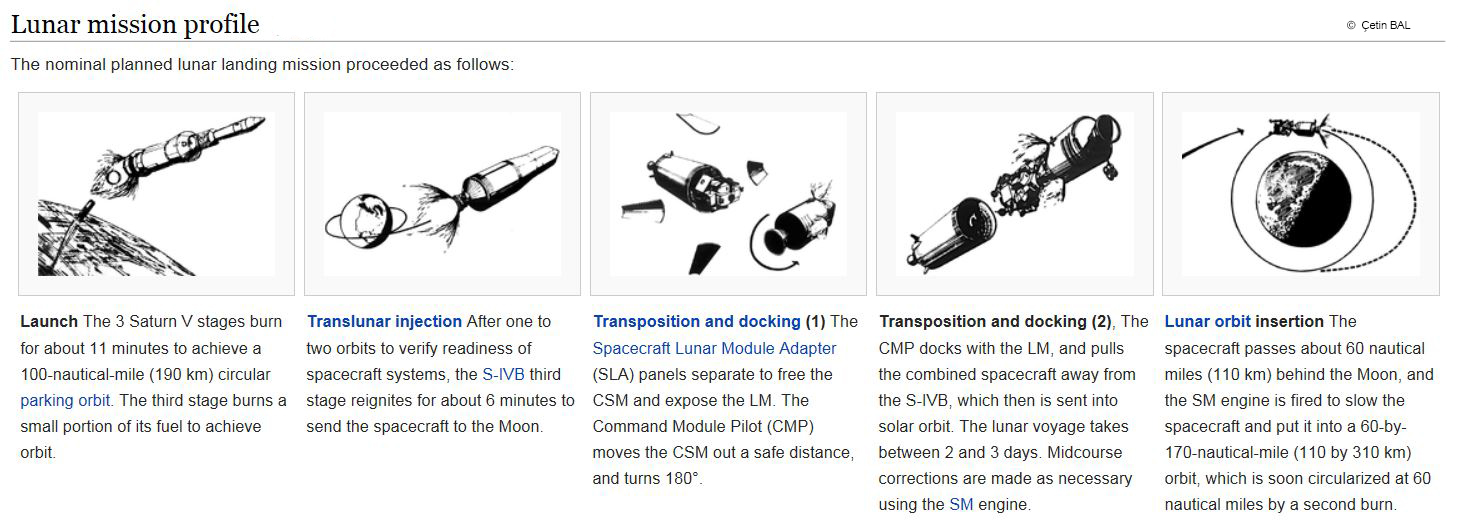
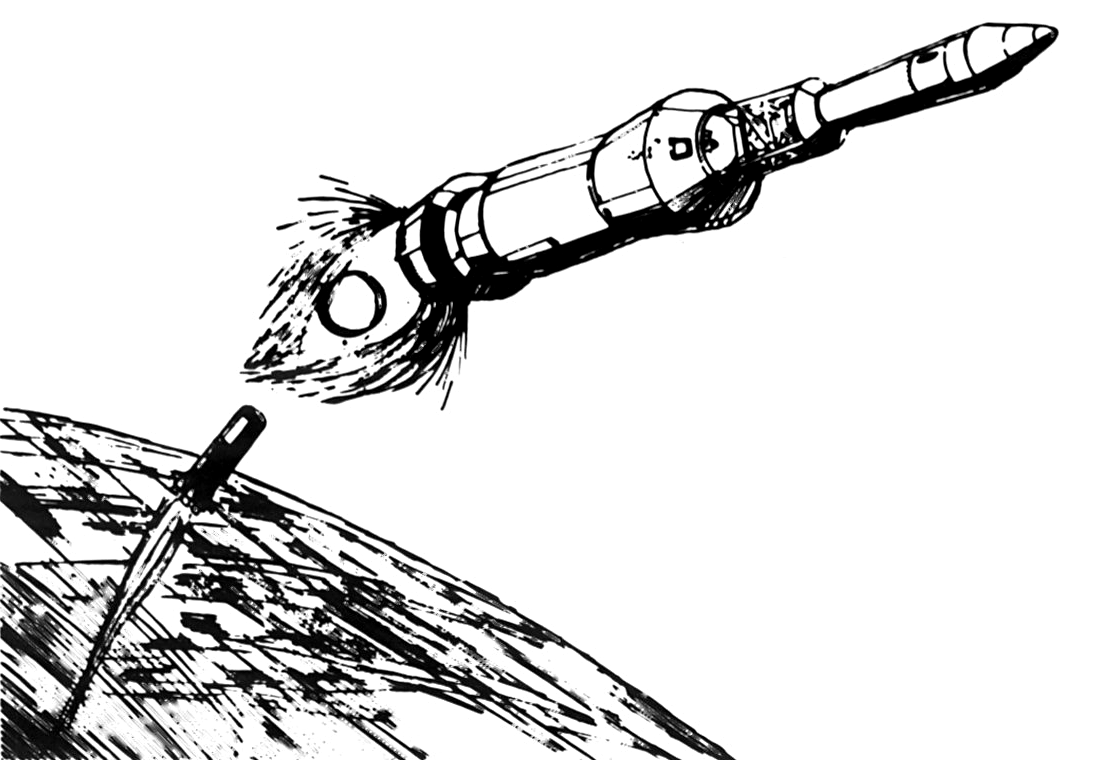
Launch The 3 Saturn V stages burn for about 11 minutes to achieve a 100-nautical-mile (190 km) circular parking orbit. The third stage burns a small portion of its fuel to achieve orbit.
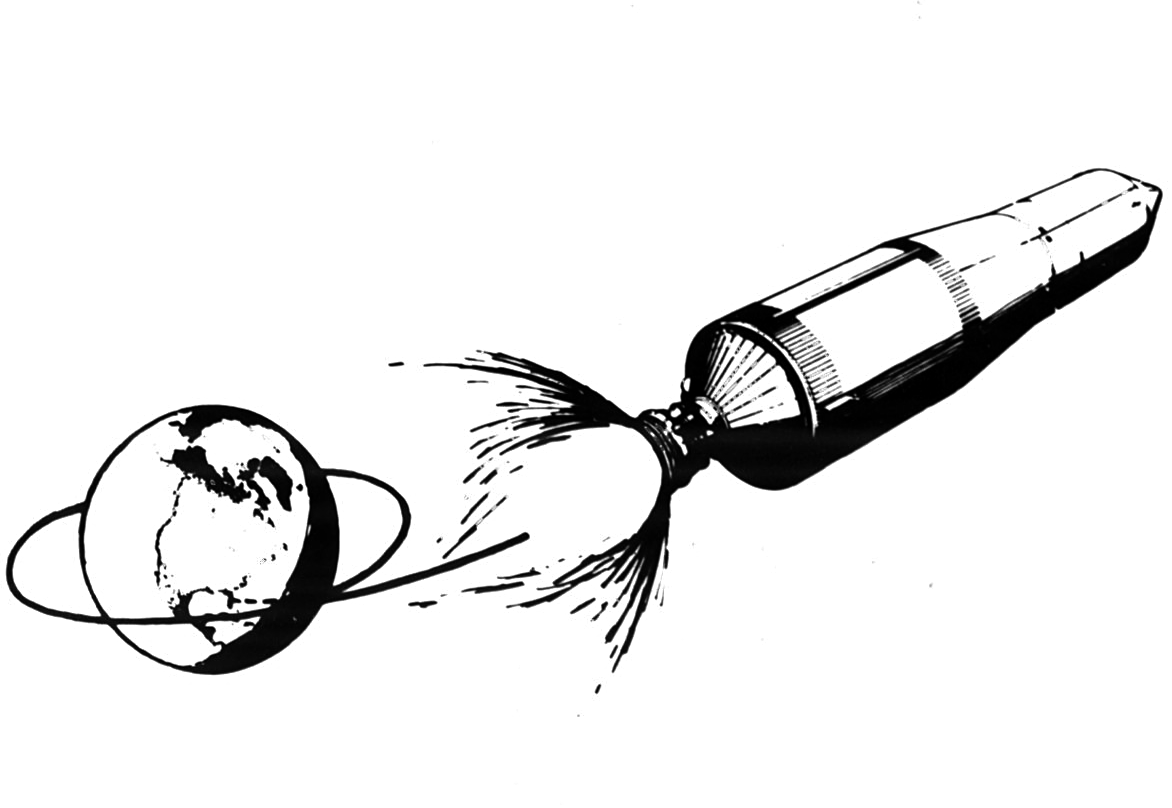
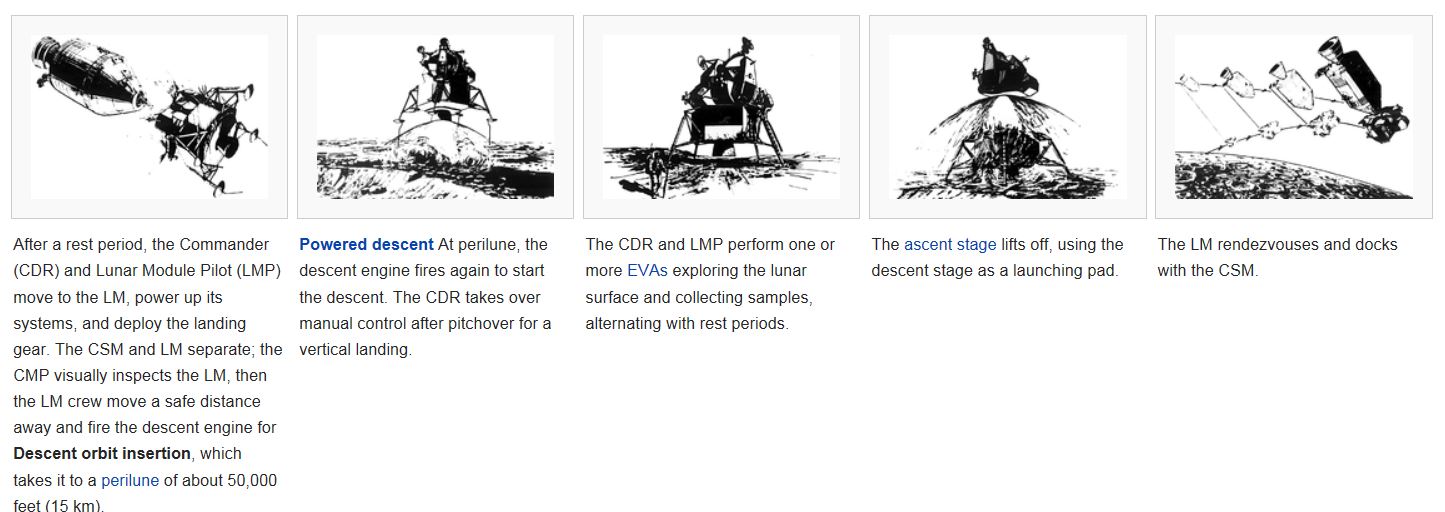
Translunar injection After one to two orbits to verify readiness of spacecraft systems, the S-IVB third stage reignites for about 6 minutes to send the spacecraft to the Moon.
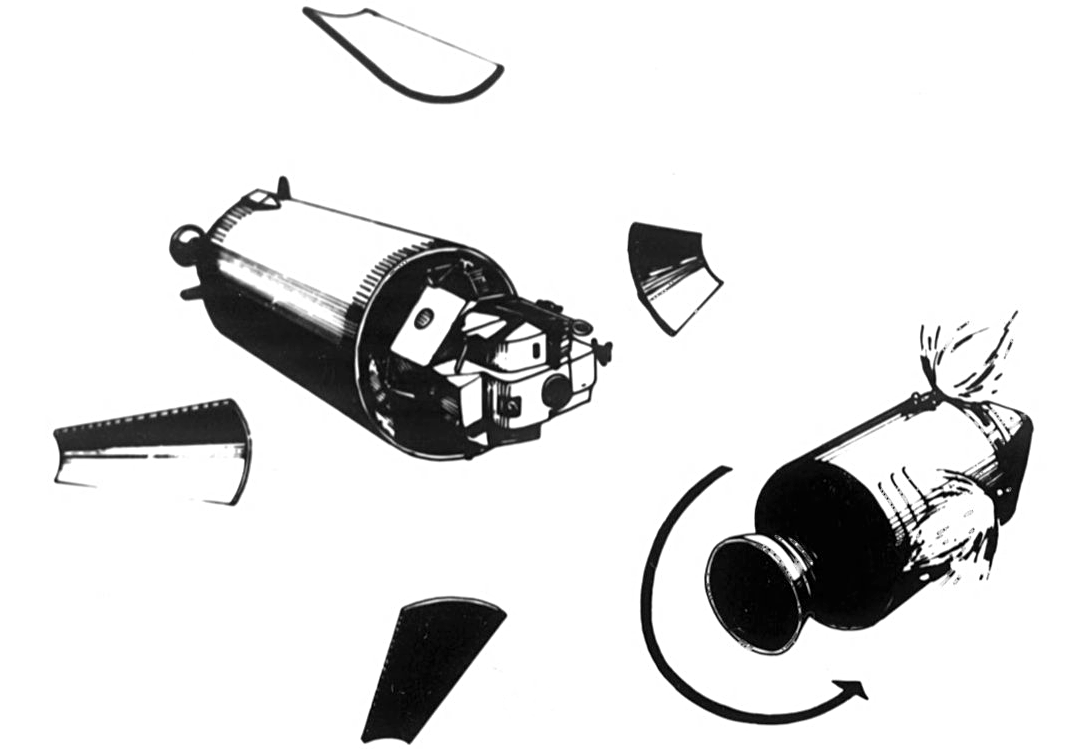
Transposition and docking (1) The Spacecraft Lunar Module Adapter (SLA) panels separate to free the CSM and expose the LM. The Command Module Pilot (CMP) moves the CSM out a safe distance, and turns 180°.
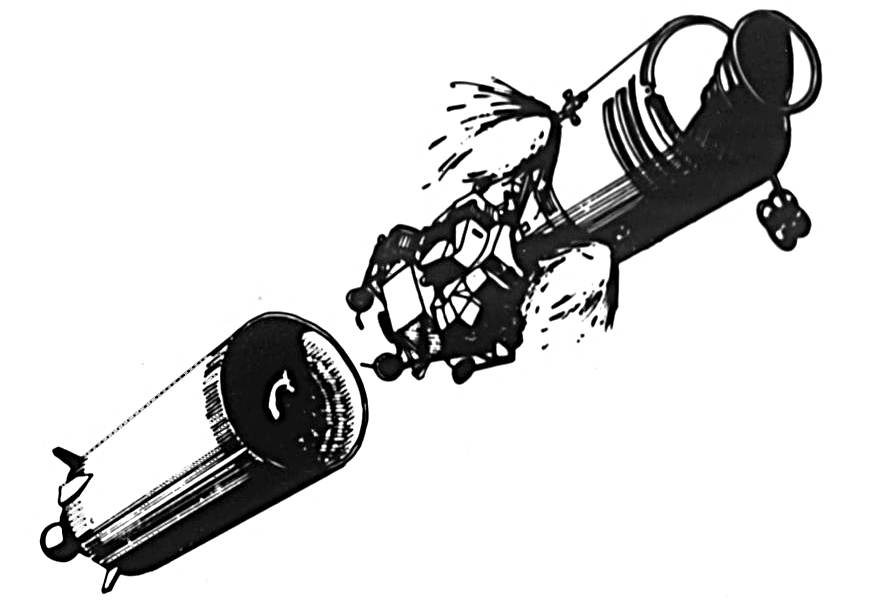
Transposition and docking (2), The CMP docks with the LM, and pulls the combined spacecraft away from the S-IVB, which then is sent into solar orbit. The lunar voyage takes between 2 and 3 days. Midcourse corrections are made as necessary using the SM engine.
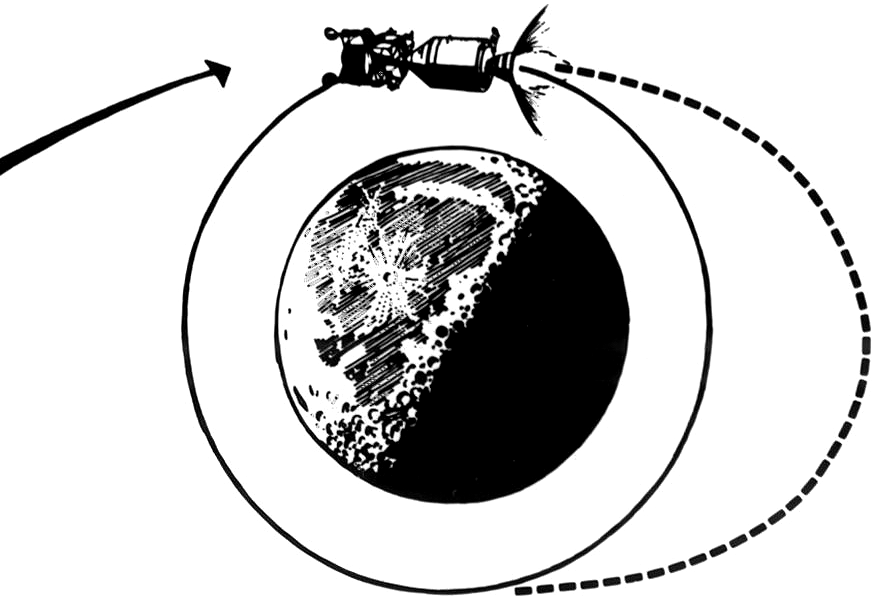
Lunar orbit insertion The spacecraft passes about 60 nautical miles (110 km) behind the Moon, and the SM engine is fired to slow the spacecraft and put it into a 60-by-170-nautical-mile (110 by 310 km) orbit, which is soon circularized at 60 nautical miles by a second burn.
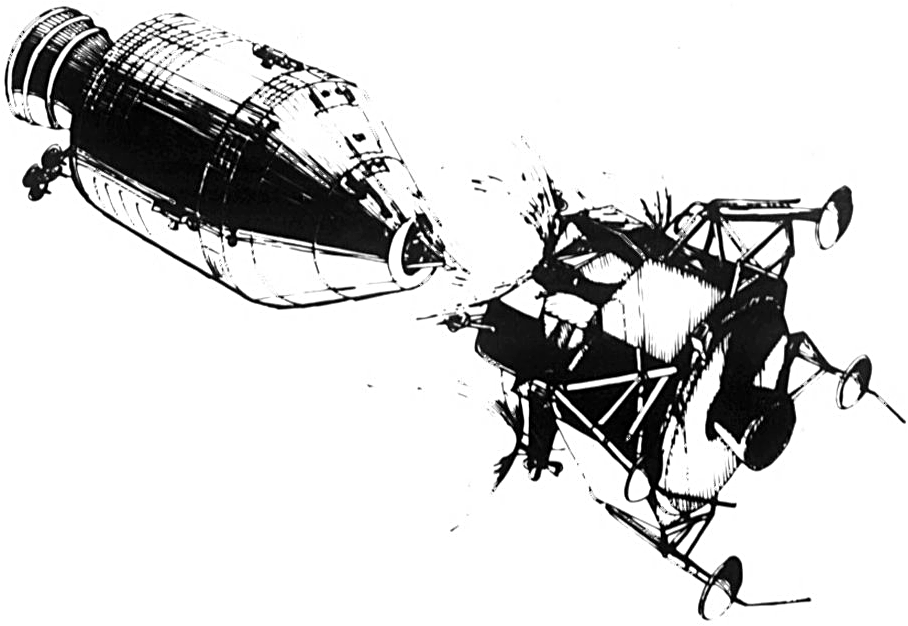
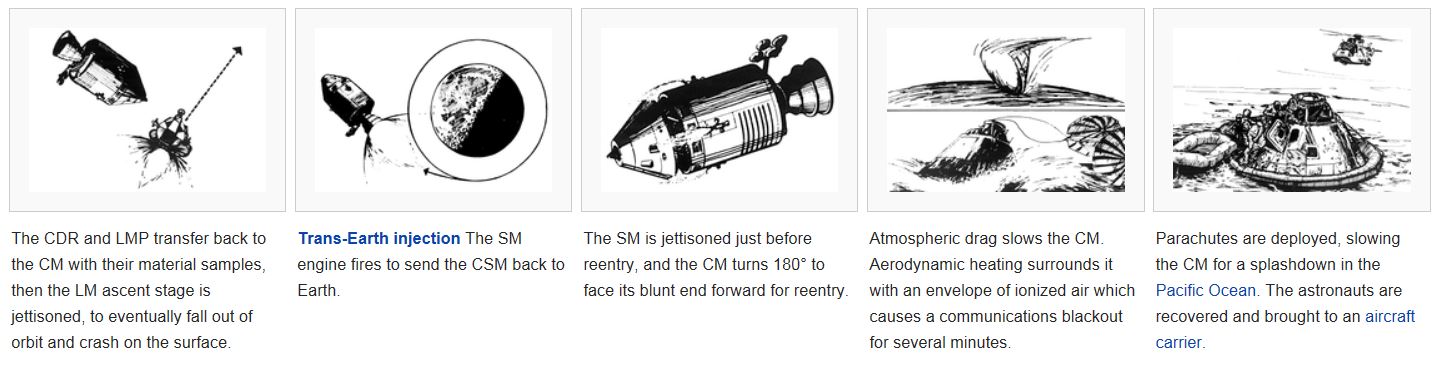
After a rest period, the Commander (CDR) and Lunar Module Pilot (LMP) move to the LM, power up its systems, and deploy the landing gear. The CSM and LM separate; the CMP visually inspects the LM, then the LM crew move a safe distance away and fire the descent engine for Descent orbit insertion, which takes it to a perilune of about 50,000 feet (15 km).
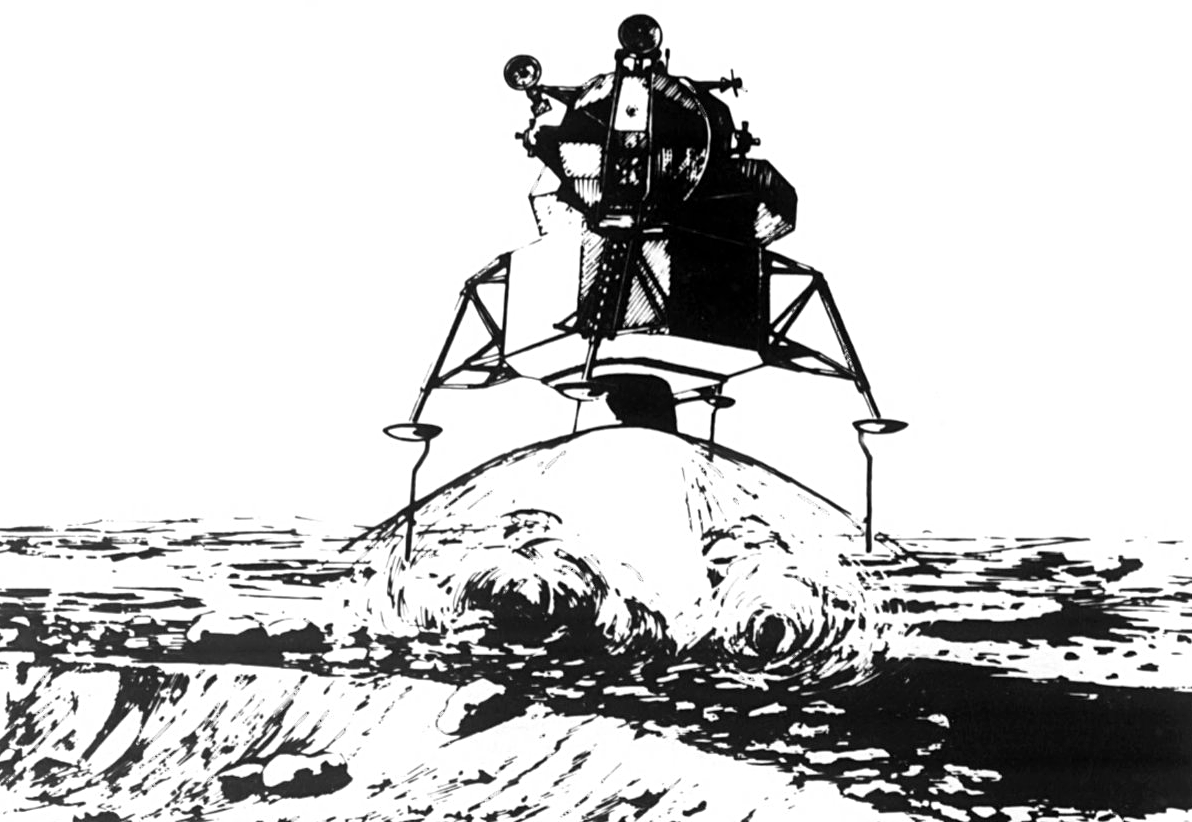
Powered descent At perilune, the descent engine fires again to start the descent. The CDR takes over manual control after pitchover for a vertical landing.
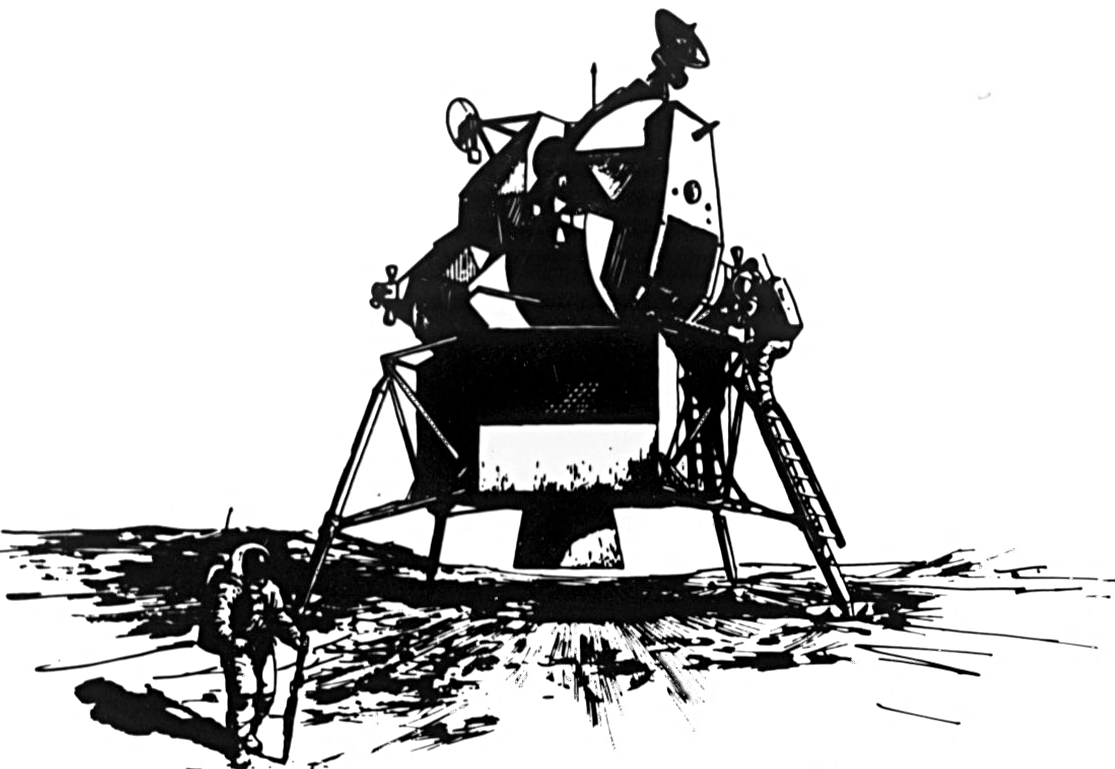
The CDR and LMP perform one or more EVAs exploring the lunar surface and collecting samples, alternating with rest periods.
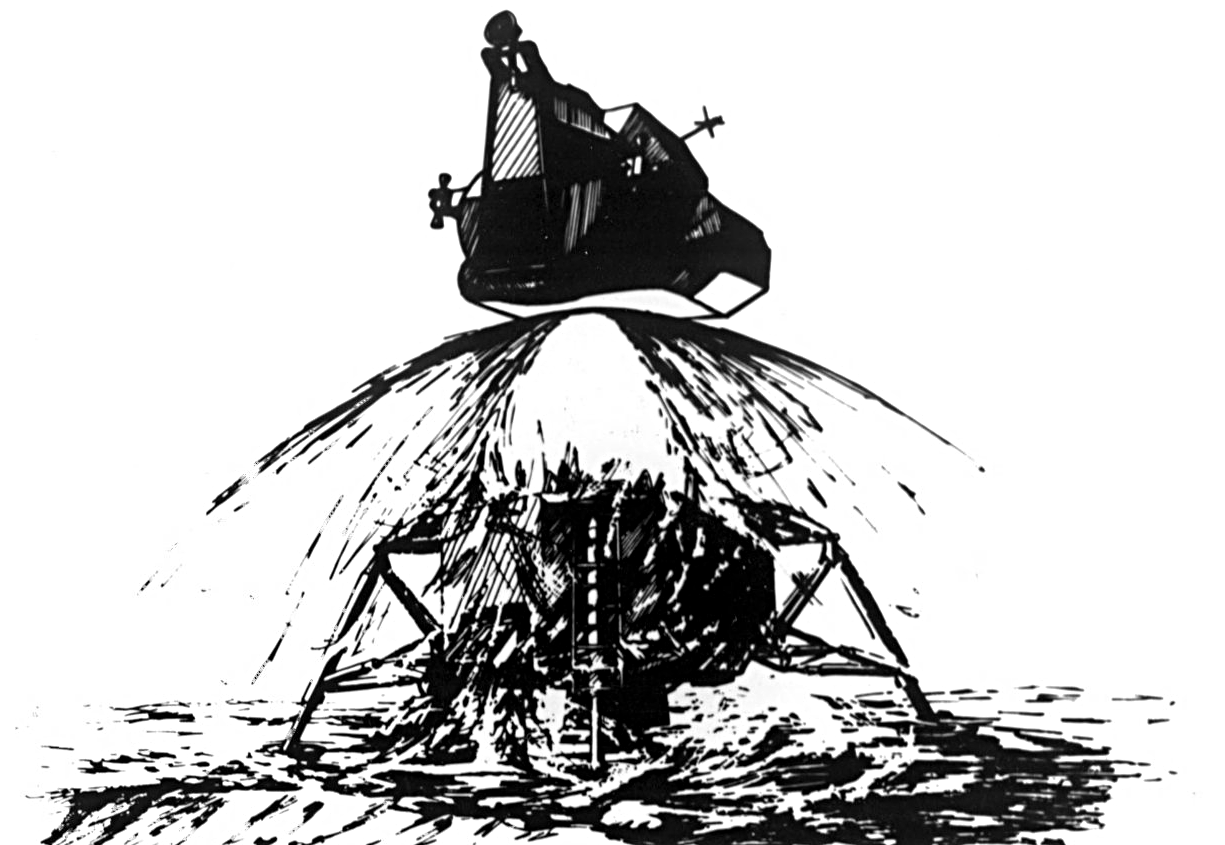
The ascent stage lifts off, using the descent stage as a launching pad.
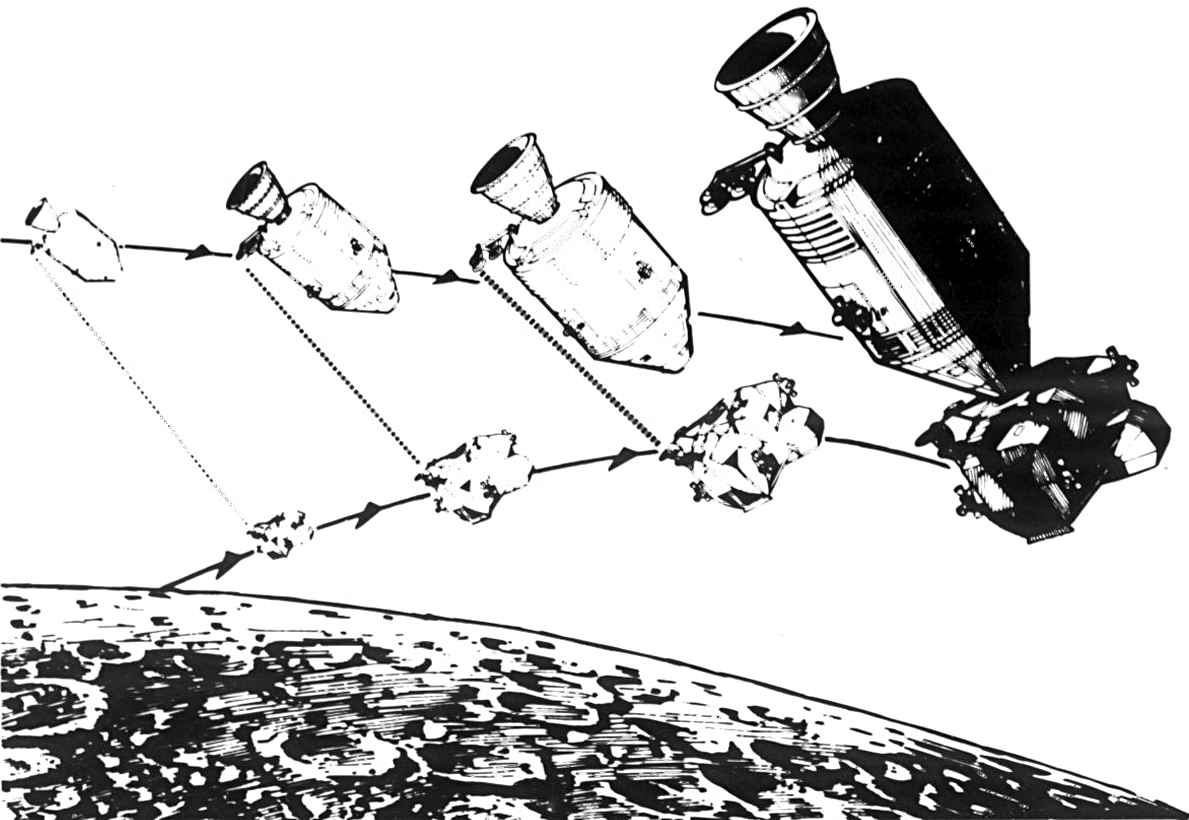
The LM rendezvouses and docks with the CSM.
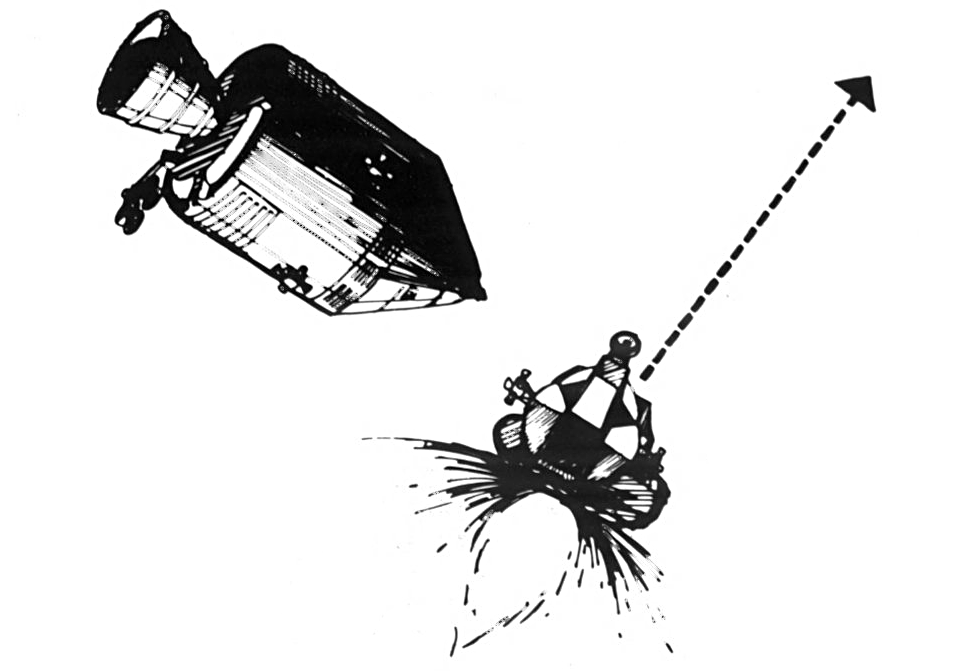
The CDR and LMP transfer back to the CM with their material samples, then the LM ascent stage is jettisoned, to eventually fall out of orbit and crash on the surface.

Trans-Earth injection The SM engine fires to send the CSM back to Earth.
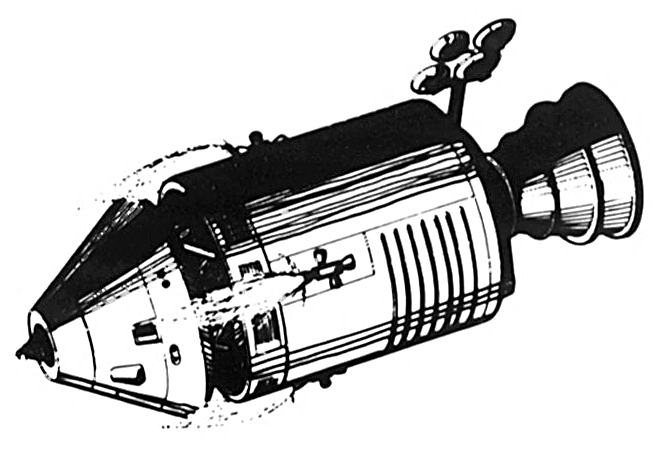
The SM is jettisoned just before reentry, and the CM turns 180° to face its blunt end forward for reentry.
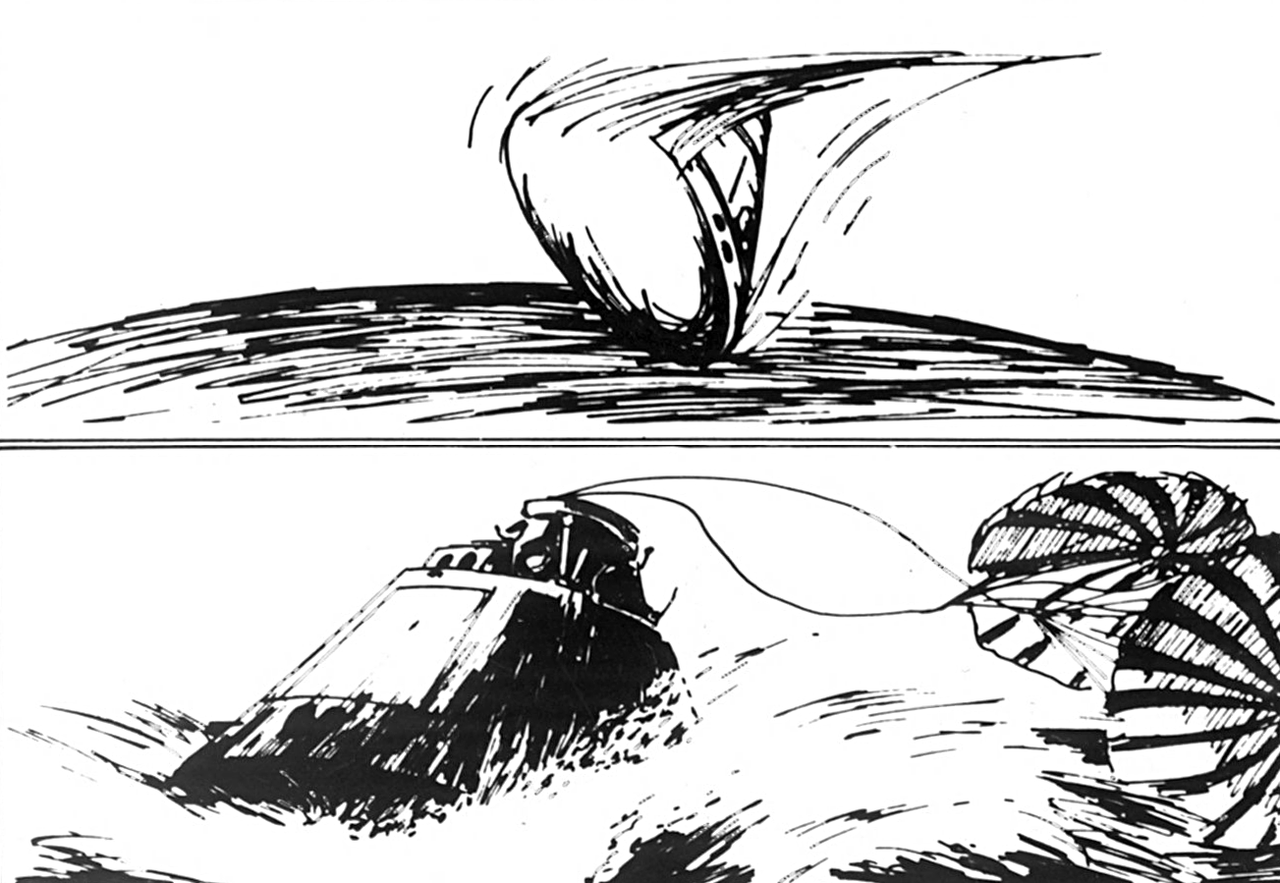
Atmospheric drag slows the CM. Aerodynamic heating surrounds it with an envelope of ionized air which causes a communications blackout for several minutes.
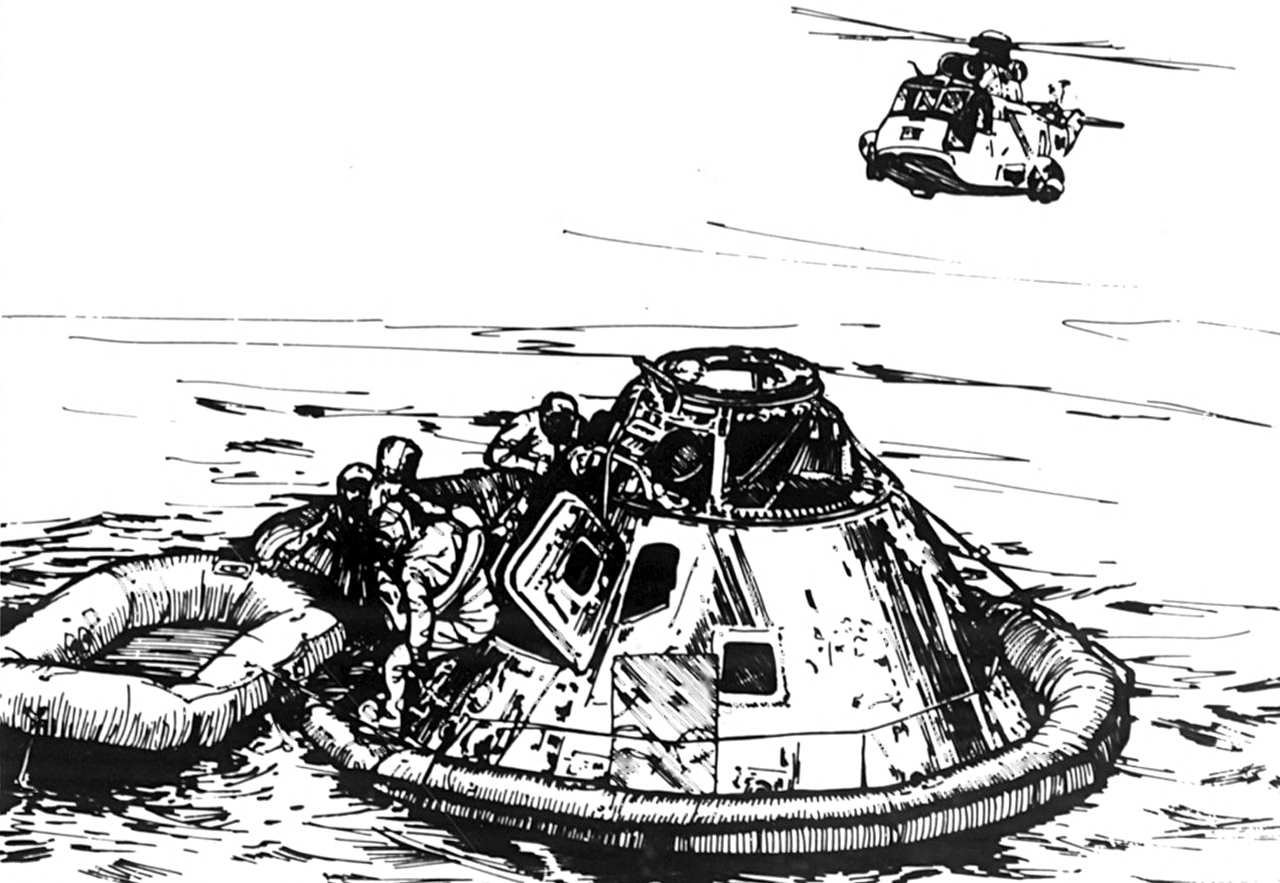
Parachutes are deployed, slowing the CM for a splashdown in the Pacific
Ocean. The astronauts are recovered and brought to an aircraft carrier.
Hiçbir yazı/ resim izinsiz olarak kullanılamaz!! Telif hakları uyarınca bu bir suçtur..! Tüm hakları Çetin BAL' a aittir. Kaynak gösterilmek şartıyla siteden alıntı yapılabilir.
© 1998 Cetin BAL - GSM:+90 05366063183 -Turkiye/Denizli
Ana Sayfa / Index / Roket bilimi / E-Mail / Rölativite Dosyası
Time Travel Technology / UFO Galerisi / UFO Technology /
Kuantum Teleportation / Kuantum Fizigi / Uçaklar(Aeroplane)
New World Order(Macro Philosophy) / Astronomy